

Petroleum products in daily life are more common than most people realize. From morning routines to nightly comforts, oil‑based materials quietly fuel our modern lifestyle. We rely on them to move, build, communicate, clean, and even heal. Whether driving a car, typing on a smartphone, or using a plastic bottle, petroleum lies behind it all.
These products power the world’s energy systems, shape industries, and form the foundation of comfort and convenience. Yet, their constant presence often goes unnoticed. Understanding how deeply petroleum is woven into our lives helps us appreciate its role — and its responsibility — in building a sustainable future.
he Journey of Black Gold: A Brief History
Ancient Times
The story of petroleum products in daily life began long before the modern age. Thousands of years ago, ancient civilizations such as Mesopotamia and China made use of natural oil seeps. They used a thick dark substance called bitumen to waterproof boats, build roads, and even preserve materials. In ancient Egypt, it played a role in embalming practices, showing how early humans understood petroleum’s usefulness.
Industrial Revolution
During the 19th century, everything changed. The demand for better lighting led to the rise of kerosene, a petroleum distillate that replaced whale oil. The first commercial oil well, drilled in Pennsylvania in 1859, marked the beginning of the modern petroleum industry. This innovation made energy more accessible and affordable, transforming how people lived and worked.
20th Century Boom
In the 20th century, petroleum became the backbone of industrial progress. The expansion of automobiles and airplanes created new demand for fuels and lubricants. Massive oil companies emerged, shaping global politics and economies. The world entered an era of internal combustion engines, plastics, and synthetic materials—all derived from petroleum.
Modern Era
Today, petroleum continues to fuel almost every global industry. It powers vehicles, heats homes, manufactures plastics, and supports agriculture, healthcare, and technology. However, modern society also faces the environmental consequences of this dependence. Pollution, climate change, and the finite nature of fossil fuels have motivated new research into renewable energy and cleaner production methods.
The Main Categories of Petroleum Products
Petroleum products in daily life can be divided into several major categories, each serving a unique role in how societies function. These categories range from fuels that power our movement, to raw materials that build the objects we use every day. Understanding these divisions helps us see how petroleum connects energy, transportation, industry, and comfort in a single chain.
1. Fuels
Fuels are the most recognized petroleum products in daily life. They provide the energy that drives cars, airplanes, ships, and trains. Key examples include gasoline, diesel, jet fuel, and liquefied petroleum gas (LPG).
In homes, similar fuels power generators, heating systems, and cooking appliances. Without them, our daily mobility and comfort would collapse. The reliability and energy density of petroleum-based fuels keep them dominant despite the growth of renewable sources.
2. Lubricants
Lubricants reduce friction between moving parts in machines—from vehicle engines and factory machines to bicycles and wind turbines. They increase efficiency and prolong the life of equipment.
Motor oils, hydraulic fluids, and industrial greases are made from refined petroleum base oils combined with special additives. Each variant is designed for specific mechanical conditions and temperature ranges.
3. Petrochemical Feedstocks
Petrochemical feedstocks are the building blocks for thousands of products we use every day. When petroleum is refined, lighter molecules such as ethylene, propylene, and benzene are extracted. These compounds are transformed into materials like plastics, synthetic rubber, detergents, and fibers.
From packaging to textiles and electronics, petrochemicals form the foundation of modern consumer goods.
4. Asphalt and Bitumen
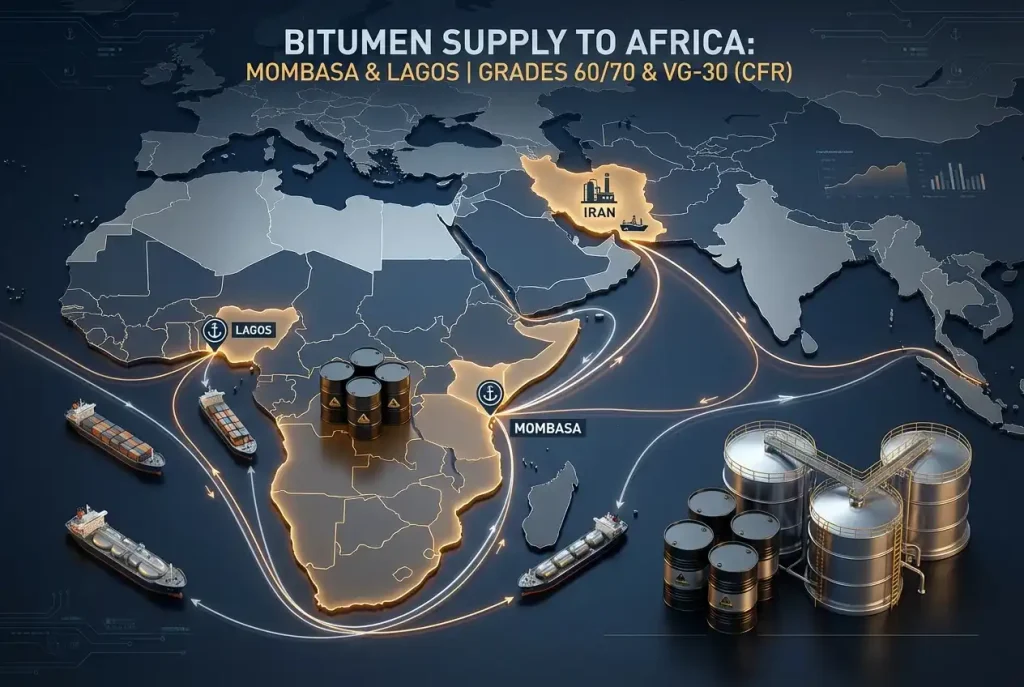
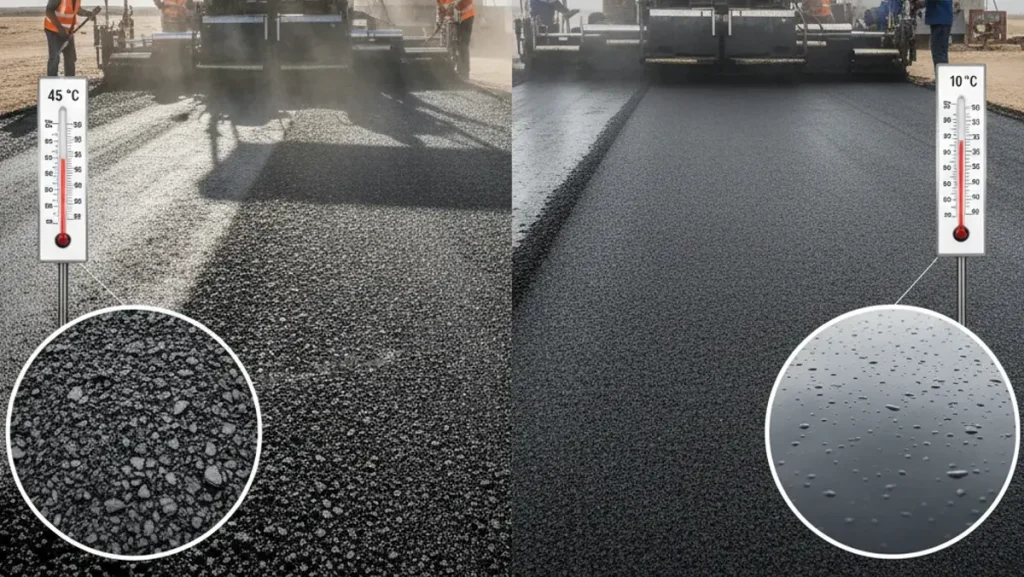
The heavy residues left after refining are used to produce asphalt and bitumen. These materials are essential for constructing roads, waterproofing roofs, and sealing surfaces.
Their durability, resistance to weather, and adhesion qualities make them indispensable for infrastructure development worldwide.
5. Industrial and Specialized Products
Petroleum is also used to make solvents, waxes, and specialty chemicals that serve industries like cosmetics, pharmaceuticals, and agriculture.
For example, petroleum-derived paraffin wax is found in candles, food packaging, and skincare products. Mineral oils are used in medical ointments and as carriers for vitamins and drugs.
Everyday Uses and Hidden Presence of Petroleum Products
Petroleum products in daily life appear everywhere—from the moment we wake up to when we go to sleep. Their presence is often invisible, hidden within materials, packaging, and technologies that shape our modern routines. Let’s uncover how petroleum quietly powers comfort, health, and productivity around the world.
1. In Transportation
Every movement we make—by car, bus, plane, or ship—is fueled by petroleum. Gasoline and diesel power millions of engines daily. Aviation fuel keeps global travel running. Even bicycles and electric cars rely on petroleum for tires, lubricants, and plastics.
Petroleum also supports transportation infrastructure through asphalt roads that connect cities and countries.
2. In the Home
Look around your house: from carpets and curtains to kitchen utensils and cleaning agents, petroleum hides inside many things. Plastic containers, synthetic fabrics, and detergents are all made using petrochemical derivatives.
Cosmetic creams, shampoos, and waxes often include petroleum-based compounds that improve texture and durability.
3. In Healthcare
Few people know that medicine depends heavily on petroleum products. Many pharmaceuticals use petrochemical intermediates as raw materials. Disposable gloves, syringes, IV tubing, and even heart monitors contain plastics derived from petroleum.
Petroleum-based paraffin helps create ointments and dermatological creams, making healthcare safer and more efficient.
4. In Technology and Electronics
Your smartphone, computer, and television rely on petroleum for their casings, circuits, and insulation. Petrochemical polymers provide lightweight durability and protection.
Without these materials, high-performance electronics and global communication would not be possible.
5. In Agriculture
Petroleum supports modern farming through fertilizers, pesticides, and machinery fuel. Plastic irrigation pipes and greenhouse films improve productivity, making agriculture more efficient and sustainable when managed properly.
6. In Textiles and Fashion
Synthetic fabrics like polyester, nylon, and acrylic—all derived from petroleum—revolutionized clothing. These materials are durable, versatile, and affordable, making fashion accessible across the world.
Even the colorful dyes and water‑resistant coatings used on garments originate from petrochemical processes.
Petroleum products in daily life truly shape every corner of civilization, functioning silently behind energy, materials, and modern convenience.
Environmental Impact and Sustainable Alternatives
Petroleum products in daily life bring convenience and progress—but also carry an environmental cost. Every stage of their lifecycle, from extraction to disposal, affects the planet. Understanding these impacts and exploring sustainable alternatives is key to building a balanced future.
1. Environmental Footprint
The extraction and refining of petroleum release greenhouse gases such as carbon dioxide and methane. These gases trap heat in the atmosphere, contributing to global warming and climate change.
Furthermore, oil spills, pipeline leaks, and improper waste disposal cause severe damage to oceans, soil, and wildlife. Even small leaks can harm ecosystems for decades.
2. Air and Water Pollution
Burning petroleum fuels creates exhaust fumes and particulate matter that reduce air quality, especially in crowded cities. This pollution increases respiratory illnesses, smog, and acid rain.
Water contamination also occurs when oil residues enter rivers or coastal areas. Marine life suffers, and communities near refineries face long-term health risks.
3. Energy Dependence
Global economies rely heavily on petroleum, creating geopolitical vulnerability. Nations that import oil often face price fluctuations and supply instability. Reducing dependence through cleaner energy diversification strengthens global sustainability and energy security.
4. Sustainable Alternatives
Modern technology now offers alternatives that can gradually replace petroleum products in daily life:
- Biofuels: Derived from plants and organic waste; cleaner and renewable.
- Electric energy: Used in vehicles and homes to cut emissions.
- Bioplastics and natural polymers: Substitutes for conventional plastics, reducing long-term waste.
- Hydrogen fuels: Promising next-generation energy with zero carbon emissions.
These innovations represent steps toward a circular, low-carbon economy.
5. Recycling and Energy Efficiency
Improving recycling systems helps recover materials originally produced from petroleum, reducing pollution. Energy-efficient engines, smart grids, and eco-friendly manufacturing processes lower petroleum demand.
By adopting conscious consumption and technology upgrades, societies can minimize negative impact while keeping industrial development steady.
Petroleum products in daily life are essential, but their environmental influence reminds us that sustainability must guide future choices. Transformation depends on awareness, research, and collective action.
Conclusion and Future Outlook
Petroleum products in daily life have become a cornerstone of modern civilization—fueling transportation, industry, healthcare, and communication. From powering cities to shaping consumer goods, oil has driven global growth and innovation for over a century. Yet as the world advances, the same resource that once symbolized progress now challenges us to rethink sustainability and environmental balance. Its dual nature—both empowering and polluting—reminds humanity that technological progress must coexist with ecological responsibility. The way we manage petroleum today will define not only the strength of our economies but also the health of our planet tomorrow.
Looking ahead, the future of petroleum products lies in transformation, not rejection. Industries are merging traditional energy with renewables, governments are embracing carbon‑neutral goals, and individuals are learning conscious consumption. Electric mobility, hydrogen fuel, and recyclable materials are no longer dreams—they are becoming daily realities. Global cooperation in clean‑energy research and sustainable policy will determine how we turn petroleum’s legacy from pollution to progress. Used responsibly, these products will continue to power human potential while guiding civilization toward a more balanced, sustainable era.